Track 25 · Village · 2:11
The whole walk as one file · the route as GPX / KML / CSV · the podcast feed
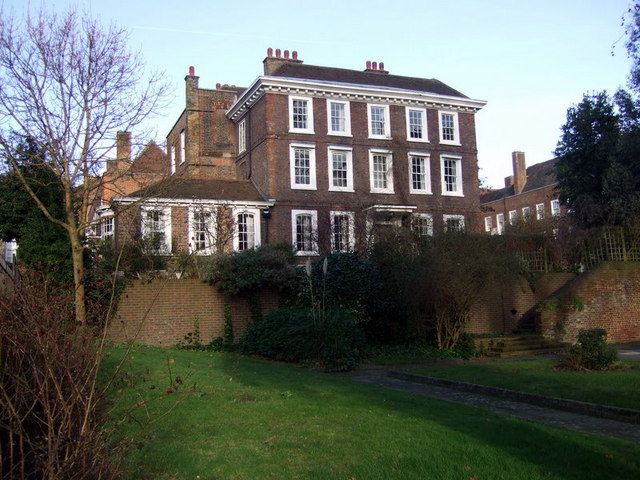

Stop twenty-four. Well Walk, the well, and Burgh House.
Start at the fountain. That is the chalybeate well, and chalybeate means the water has iron in it. In sixteen ninety eight the young Earl of Gainsborough and his mother gave six acres of ground around these springs to trustees, in perpetuity, for the benefit of the poor of Hampstead. The trust they set up that day still exists and still gives money away in this parish, three hundred and twenty-eight years later.
What the trustees did with it in the meantime was open a spa. Hampstead Wells sold the water by the flask in London, built a pump room and assembly rooms, and for about fifty years this village was a resort. It went the way of eighteenth-century resorts: successful, then crowded, then disreputable, then over. The fountain in front of you is a Victorian replacement, and no, do not drink from it.
At number forty, further along, John Constable lived from eighteen twenty seven. He painted the sky above this Heath obsessively, in oil, outdoors, dozens and dozens of studies with the weather and the time of day written on the back, decades before anyone thought that was a reasonable way to spend an afternoon. His wife Maria died in that house in eighteen twenty eight. He is buried where you started, at stop two.
And on New End Square, thirty seconds away, is Burgh House. Seventeen oh four, Grade One listed, free to walk into, with the Hampstead Museum on the first floor and a decent cafe in the basement that opens onto a garden. In the nineteen thirties it was the home of Rudyard Kipling's daughter, and Kipling's last outing before he died in January nineteen thirty six was to come here and see her.
Free. Generally Wednesday to Friday and Sunday, from late morning.
51.55819, -0.17504 · where this is on a map